Skip to content
Safeguarding Nature,
Empowering Communities

Sustainable funding for conservation and community development in the Eastern Arc Mountains

About Us

WHY SUPPORT EAMCEF?

EAMCEF empowers communities, protects biodiversity, and safeguards the Eastern Arc Mountains for future generations
Community Based Conservation and Development
Explore More
Applied Biodiversity and Climate Change Research
Explore More
Protected Areas and Climate Change Management:
Explore More
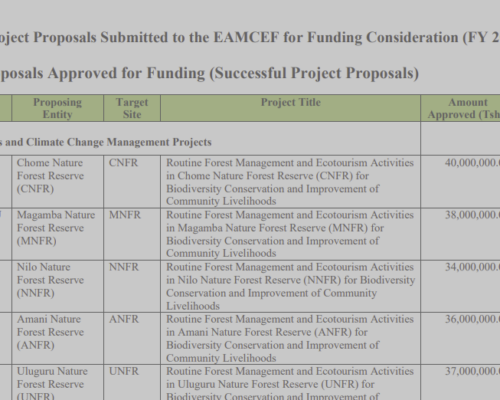
Our projects at a glance

Discover how EAMCEF’s projects are driving conservation, community empowerment, and sustainable development across the Eastern Arc Mountains.

OUR IMPACT

Measurable Impact on Protected Areas and Climate Change Management as well as Community Based Conservation and Livelihood Improvements
7.5+ Billion

Total income generated by communities living adjacent to the EAMs

205k

Community members reached on IGAs

9

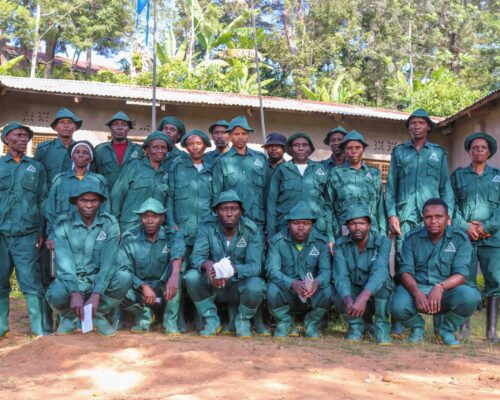
Protected Areas under active support

12

Districts reached with project interventions

More Impact Data

COMMUNITY STORIES

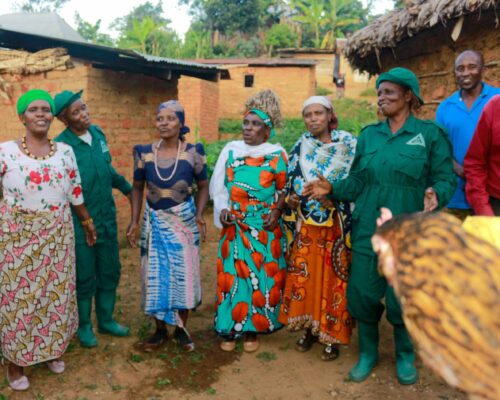
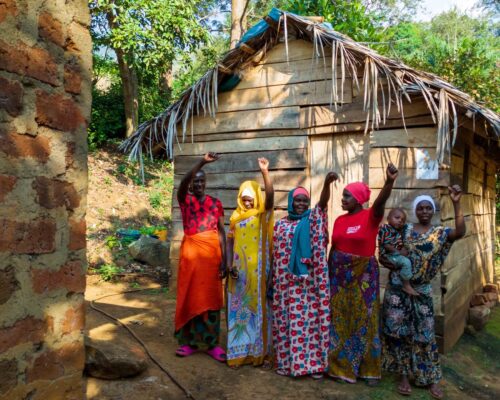
See how communities around the Eastern Arc Mountains are transforming lives through sustainable practices and conservation
Our Key Partners

For over twelve years, EAMCEF operations and project activities have largely been funded by the Royal Government of Norway (2011 – 2023). Between 2002 and 2009, EAMCEF was fully funded by the World Bank (WB) and the Global Environmental Facility (GEF) through the Government of Tanzania

NEWS AND UPDATES

Stay updated on EAMCEF’s initiatives and achievements

Thanks to EAMCEF’s support, I’ve been able to lead tourists more effectively and contribute to forest conservation efforts. The upgrades to Bunduki Campsite have been crucial—they’ve built toilets for visitors, resting shelters, and 280 steps that make the journey to Hululu waterfalls much safer and easier. EAMCEF has also established boundaries to prevent fires from spreading from nearby farmland into the forest, helping us protect this precious environment. These improvements mean I can provide a higher standard of guidance to visitors, and our community has become much more aware of the importance of conservation and sustainable tourism. On a personal note, I have planted about 800-900 trees in various areas. This allows me to meet essential needs, as I can use some trees for firewood or sell them when in need. This tree-planting initiative has also greatly benefited our community, reducing the pressure on the forest and helping us sustainably manage our resources.”

Jemsi Tenesfoli Mapua

Founded in 2018 with 15 members, Fagilia Mazingira now has 25. Initially performing for entertainment, we shifted focus in 2020 after partnering with Association Mazingira, using songs, dances, and tree-planting education to promote conservation. Despite challenges like limited storage for our products, we’ve received 30 invitations, including from TANAPA, to raise awareness about preserving culture and the environment.

Deodatus Leonard Ngalama

“Formed in 2016 with 20 members, Zimamoto focuses on preserving Tanzanian culture and reducing poverty. Partnering with Association Mazingira and TANAPA, we received training in agriculture, livestock farming, and traditional crafts, saving over 1.8 million shillings. Despite challenges like limited space to display our products, we educate the community on combating deforestation and poaching in the Kilombero Nature Forest Reserve.

Leon Hilary Kinoga

With EAMCEF’s support, we received training in Same on forest preservation and visited Shengena Forest, experiencing its unique wildlife. This inspired us to build our traditional home and use songs, plays, and performances to educate and encourage the community to protect the environment.

Uzehel Emmanuel Mchome

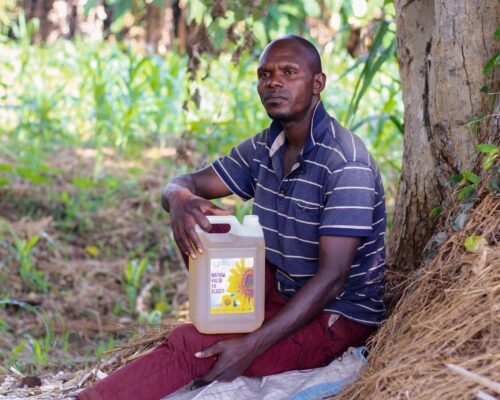
Before, I grew maize and vegetables, but after Nakya introduced us to sunflower farming in 2013, I decided to switch. That year, I harvested 13 bags, compared to 5 or 6 before. Not only did I benefit, but other villagers saw the changes and also started growing sunflowers. This has significantly contributed to conserving our mountain environment, as more people have switched to gas instead of relying on firewood.

Julie Bwire

As a sunflower farmer, I no longer worry about store-bought oil costs because I use my own sunflower oil. This farming has allowed me to buy a gas stove and stop using charcoal from people destroying the Mkingu forest. The income from selling sunflower oil supports other crops like rice and pays my children’s school fees. The yields make it easier to meet my family’s needs and have improved my overall economic situation..

Magreth Mwongu
Back To Top